Ready to Bridge Your Network with Reliable Fiber Optic Products?
Shanghai FiberBridge Trading supplies high quality optical fiber cables, connectors, splitters, termination boxes, and FTTH products to telecom operators, network installers, and distributors worldwide.
Fiber distribution boxes are enclosures used in fiber optic networks to organize, protect, and manage fiber optic connections. They take an incoming fiber cable and distribute it to multiple outgoing cables for homes, offices, or other locations. They are essential for keeping fiber connections safe from damage and ensuring reliable network performance.
Fiber Distribution Boxes & Splice Closures
Fiber distribution boxes are enclosures used in fiber optic networks to organize, protect, and manage fiber optic connections. They take an incoming fiber cable and distribute it to multiple outgoing cables for homes, offices, or other locations. They are essential for keeping fiber connections safe from damage and ensuring reliable network performance.

Outdoor Wall-Mount Boxes
This type of box is mounted on the outside wall of a building to distribute fiber to multiple units or homes. Key options: • Number of fiber connections (cores) it supports, such as 8, 12, 16, 24, 32, 48, or 64. • Material used, such as plastic, polycarbonate, or cold-rolled steel. • IP rating (which indicates how waterproof and dustproof the box is, with higher numbers meaning better protection). • Splitter type, such as built-in or modular, with ratios like 1×4, 1×8, 1×16, or 1×32 (this means one incoming fiber is split into multiple outgoing fibers). • Cable entry options, such as the number and size of ports for cables to enter and exit. • Locking mechanism, such as a lock or latch for security. • Color, often gray, black, or white.

Indoor Wall-Mount Boxes
This type of box is mounted on a wall inside a home or office to connect fiber to a modem or router. Key options: • Number of fiber connections (cores) it supports, such as 2, 4, 8, 12, or 16. • Material used, typically plastic or ABS for lightweight use. • Port type, such as SC, LC, or other adapters (which determines what kind of plug the fiber cable uses). • Splice tray capacity, which is the number of fiber splices the box can hold and protect. • Mounting type, such as wall-mounted with screws or adhesive backing. • Color, often white or neutral to blend with indoor walls.

Rack-Mount Distribution Boxes
This type of box is installed in a standard server rack in a data center or telecom room to organize fiber connections between equipment. Key options: • Number of fiber ports, such as 12, 24, 48, 96, or 144. • Height in rack units, such as 1U, 2U, or 3U (1U is about 1.75 inches or 4.45 centimeters in height, which determines how much space it takes in a server rack). • Port type, such as SC, LC, or MPO connectors for high-density connections. • Splitter type, such as built-in or modular. • Cable management features, such as built-in organizers to keep cables tidy. • Material, typically cold-rolled steel for durability.

Waterproof Outdoor Boxes (IP68)
This type of box is installed in a standard server rack in a data center or telecom room to organize fiber connections between equipment. Key options: • Number of fiber ports, such as 12, 24, 48, 96, or 144. • Height in rack units, such as 1U, 2U, or 3U (1U is about 1.75 inches or 4.45 centimeters in height, which determines how much space it takes in a server rack). • Port type, such as SC, LC, or MPO connectors for high-density connections. • Splitter type, such as built-in or modular. • Cable management features, such as built-in organizers to keep cables tidy. • Material, typically cold-rolled steel for durability.
Mini Indoor Boxes (2/4 Ports)
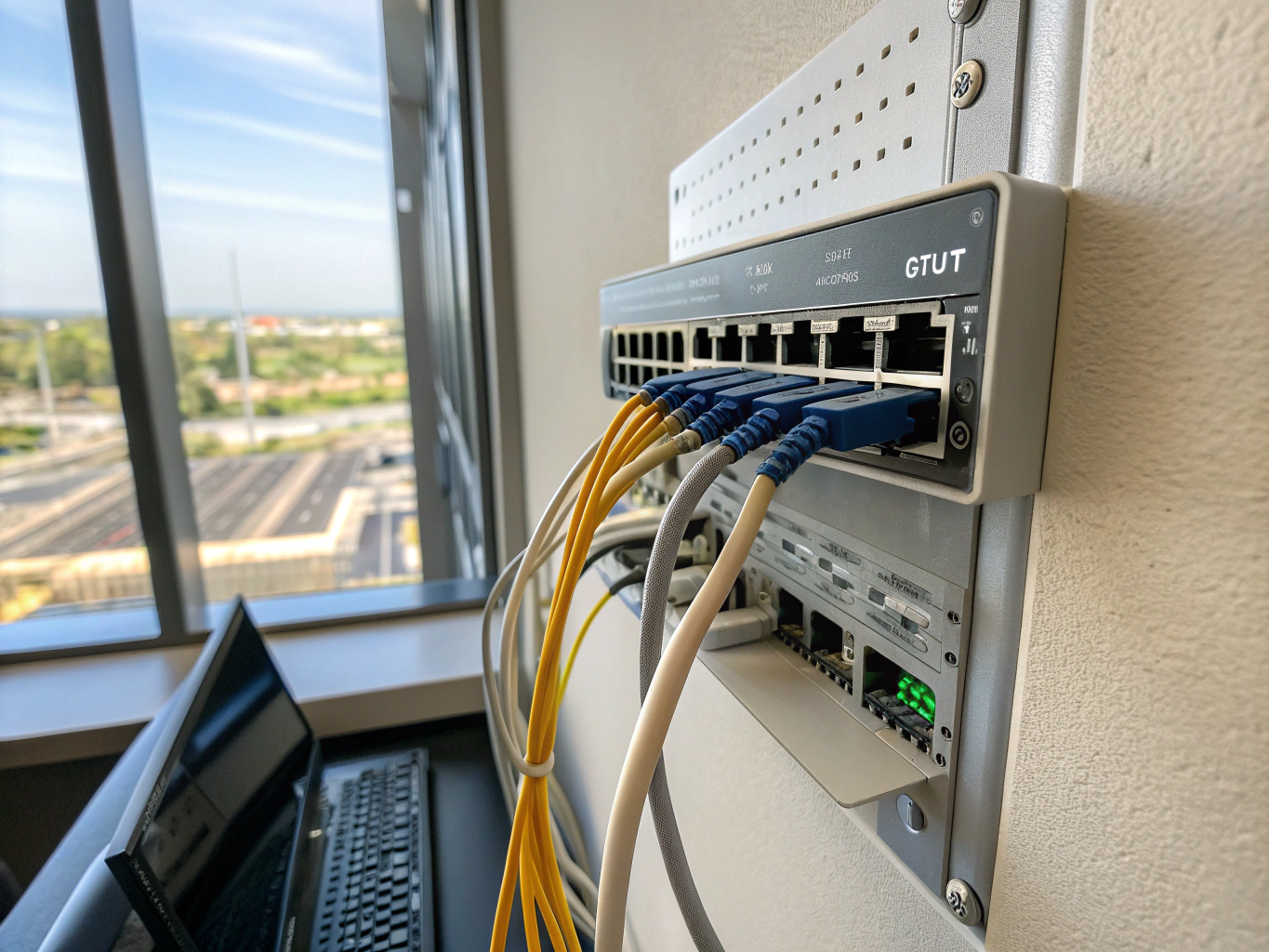
This type of box is a small, compact unit used in tight spaces to connect one or two fiber devices like a modem. Key options: • Number of fiber ports, usually 2 or 4. • Material, typically lightweight plastic or ABS. • Port type, such as SC or LC adapters for connecting modems or routers. • Mounting type, such as wall-mounted with screws or double-sided tape. • Color, often white or compact design for small spaces.
Splice Closure Boxes
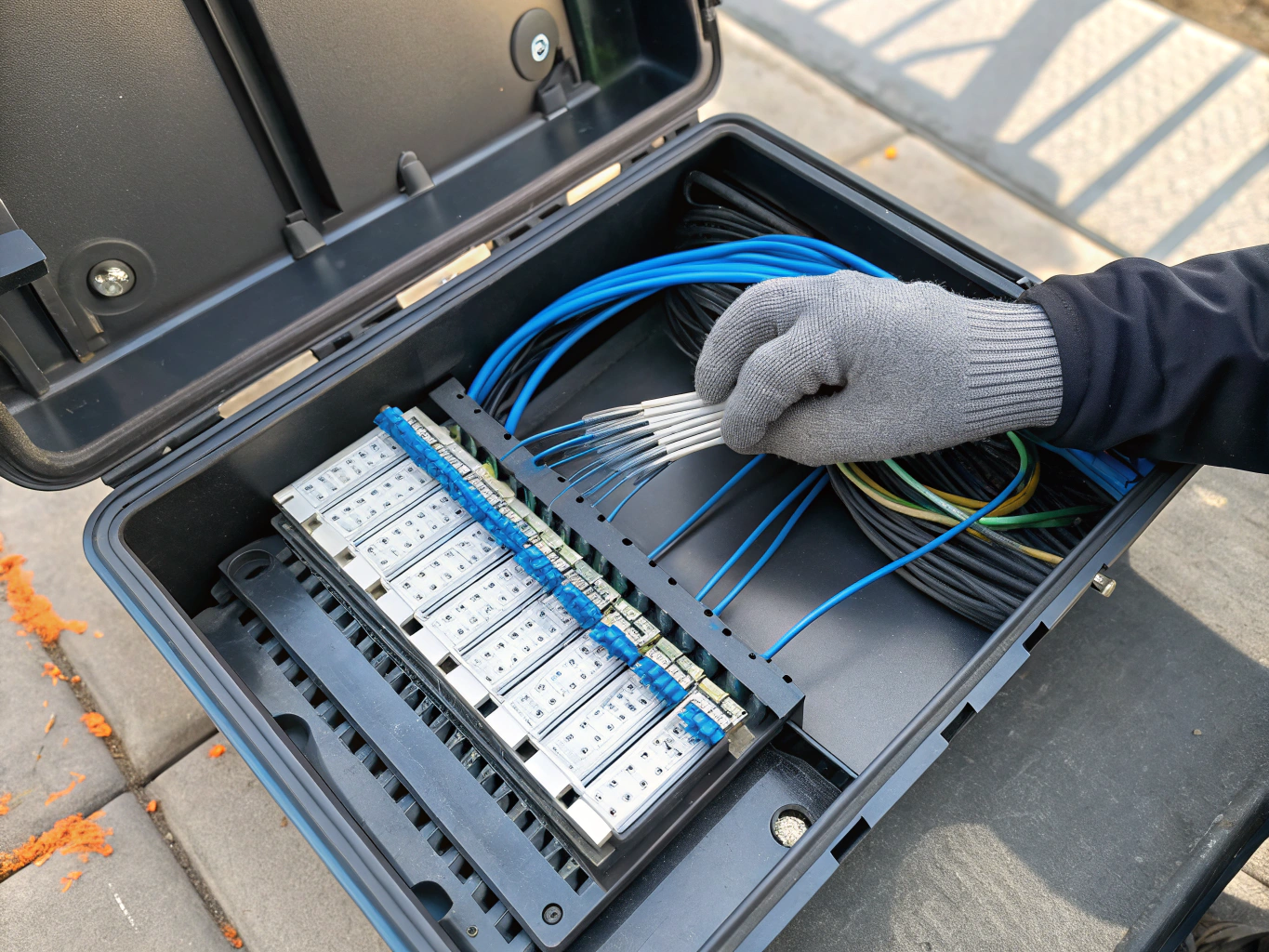
This type of box is used outdoors to protect fiber splices from weather and physical damage, often installed on poles or underground. Key options: • Number of fiber splices it can hold, such as 12, 24, 48, or more. • Installation type, such as aerial (on poles), underground, or wall-mounted. • IP rating, which indicates how waterproof and dustproof it is, with IP68 being common for underground use. • Material, typically high-strength plastic or steel with sealing gaskets. • Reusability, such as whether it can be reopened for maintenance or is sealed permanently.
Note on Options:
Many options, such as number of connections, material, color, and locking mechanism, appear across multiple subcategories. However, some options like IP rating, rack height, or splice tray capacity are specific to certain subcategories depending on where and how the box is used. This is what creates the wide variety of products available.’
