Ready to Bridge Your Network with Reliable Fiber Optic Products?
Shanghai FiberBridge Trading supplies high quality optical fiber cables, connectors, splitters, termination boxes, and FTTH products to telecom operators, network installers, and distributors worldwide.
Optical splitters, also known as PLC splitters or FBT couplers, are passive optical devices used in fiber optic networks to divide a single incoming optical signal into multiple output signals, or to combine multiple signals into one. They are fundamental components in Passive Optical Networks (PON) and FTTH architectures, enabling a single fiber from the central office to serve multiple subscribers. Splitters operate without power and are wavelength independent, making them reliable and cost effective for signal distribution.
Optical Splitters
Optical splitters, also known as PLC splitters or FBT couplers, are passive optical devices used in fiber optic networks to divide a single incoming optical signal into multiple output signals, or to combine multiple signals into one. They are fundamental components in Passive Optical Networks (PON) and FTTH architectures, enabling a single fiber from the central office to serve multiple subscribers. Splitters operate without power and are wavelength independent, making them reliable and cost effective for signal distribution.
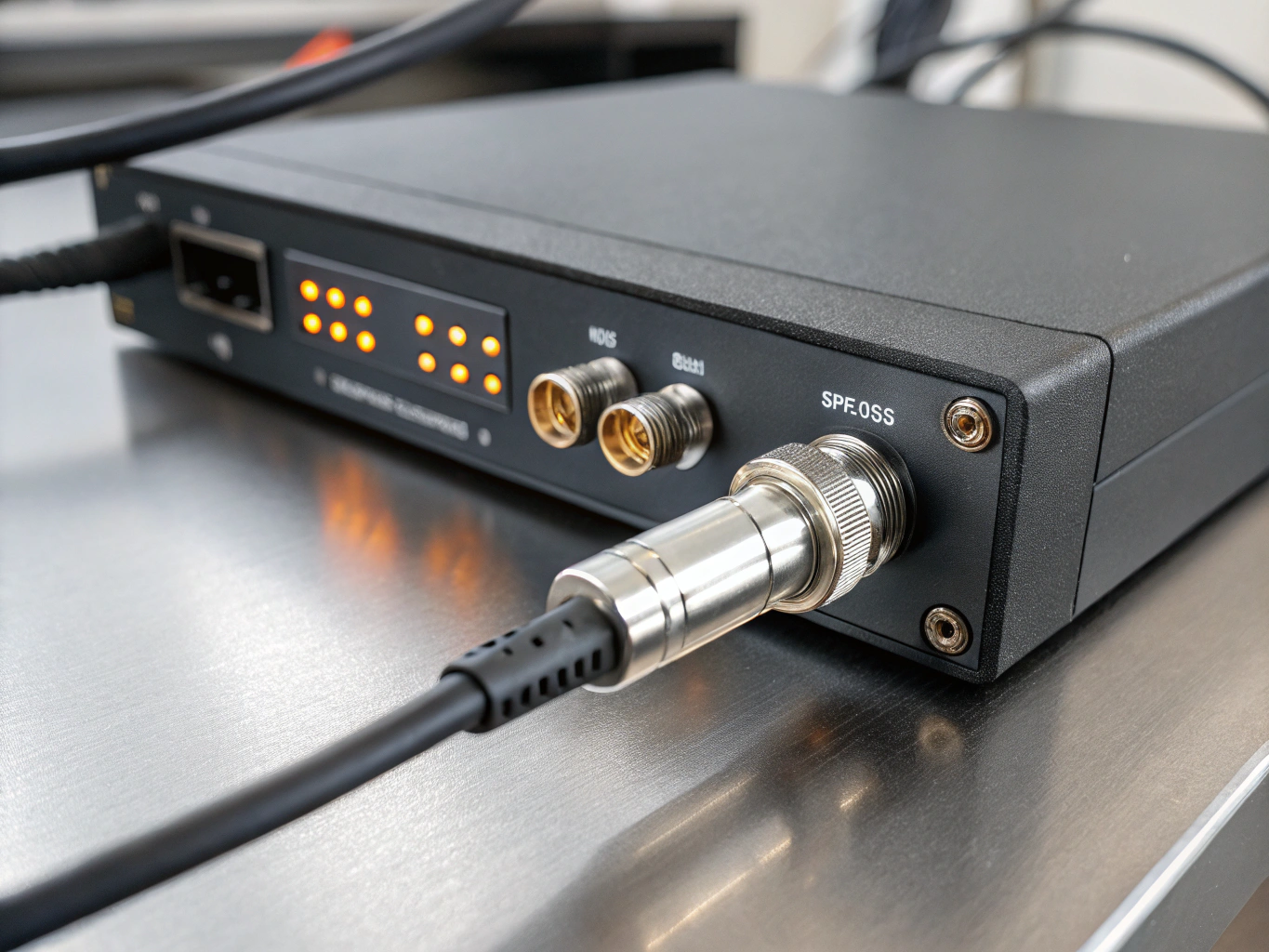
Mini Steel Tube Splitter (PLC)
Compact steel tube PLC splitter engineered for space-constrained network distribution such as splice closures and optical terminal boxes. Key Specs: • Split Ratios: 1×2, 1×4, 1×8, 1×16, 1×32 • Connectors: SC, LC, FC, ST (UPC/APC) • Fiber Types: G657A1, G652D • Cable Length: 0.75m – 2m | Diameter: 0.9mm, 2.0mm, 3.0mm • Wavelength Range: 1260nm – 1650nm • Features: Stainless Steel Housing, PLC Technology, Wavelength Independent
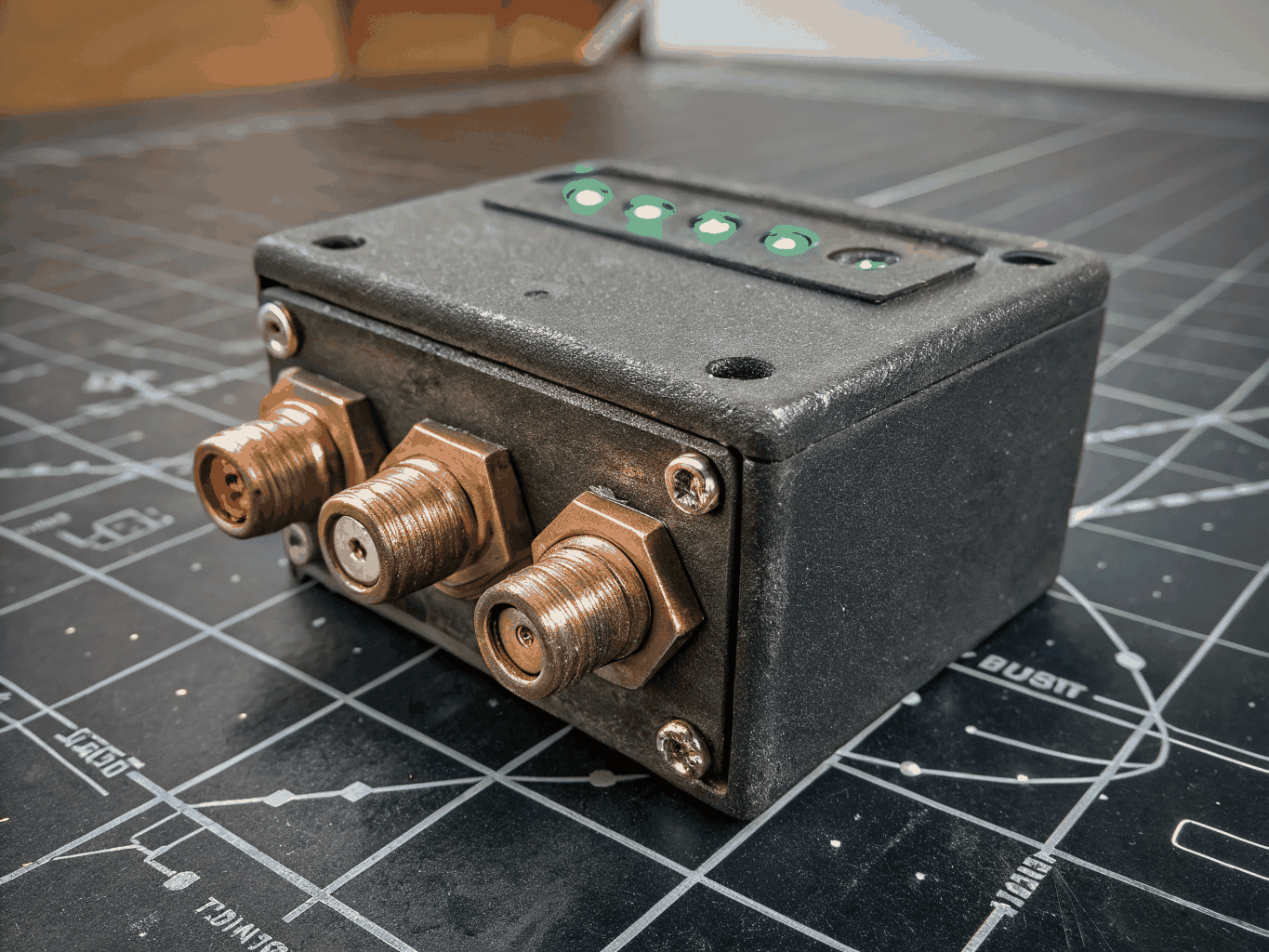
ABS Box Type Splitter
Modular enclosed PLC splitter providing sturdy protection for outdoor and indoor distribution frames. Key Specs: • Split Ratios: 1×2 through 1×32 • Housing: UV-resistant ABS modular enclosure • Mounting Options: Wall, pole, or rack mounting • Features: Modular Housing, UV-Resistant ABS, Multiple Mount Options
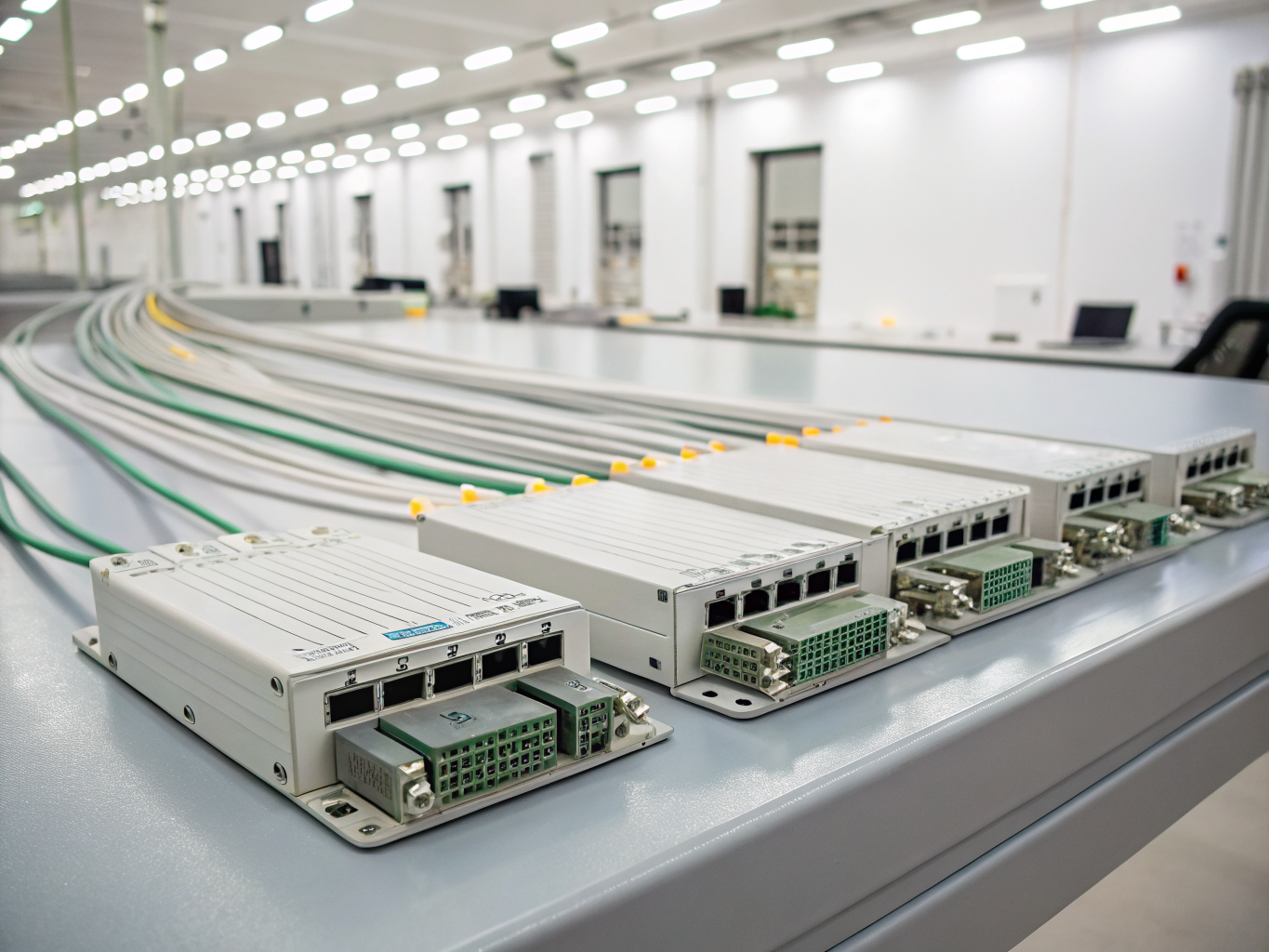
Cassette Tape Type Splitter
High-density LGX cassette splitter designed for seamless data center integration and rapid field servicing. Key Specs: • Format: Standard LGX cassette housing • Split Ratios: 1×2 to 1×32 (including custom 1×9 and 1×17) • Serviceability: Hot-swappable modular architecture • Features: LGX Cassette Format, Hot-Swappable Design, Data Center Standard

Rack Mount Splitter
Institutional 19-inch rack optical splitter panel designed for central office OLT frames and major telecom exchanges. Key Specs: • Form Factor: 19-inch rack mount (1U / 2U / 4U) • Split Ratios: 2×8, 2×16, 2×32 • Port Density: 8 to 48+ port configurations • Enclosure: Cold-rolled steel with integrated cable management • Features: 19 Inch Rack Mount, High Port Count, Professional Cable Management
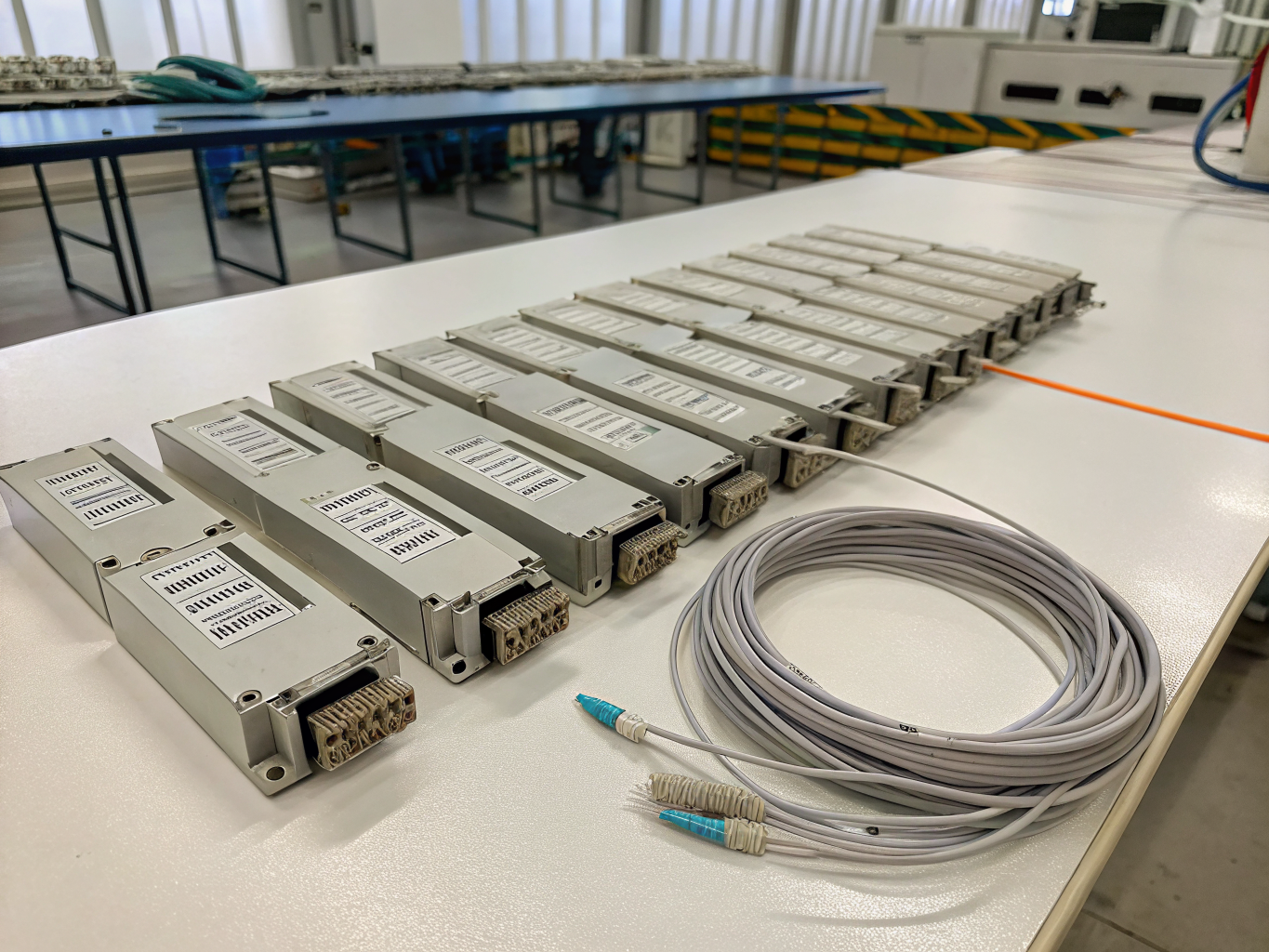
FBT Splitter (Fused Biconical Taper)
Cost-effective fused biconical taper splitter built for lower channel counts and custom optical splitting ratios. Key Specs: • Technology: Fused Biconical Taper (FBT) • Split Ratios: 1×2 even and uneven splits (e.g., 30/70, 80/20) • Operating Wavelengths: 1310nm / 1550nm dual window • Features: Fused Biconical Taper, Custom Ratio Options, Cost-Effective Solution
Custom Ratio Splitter
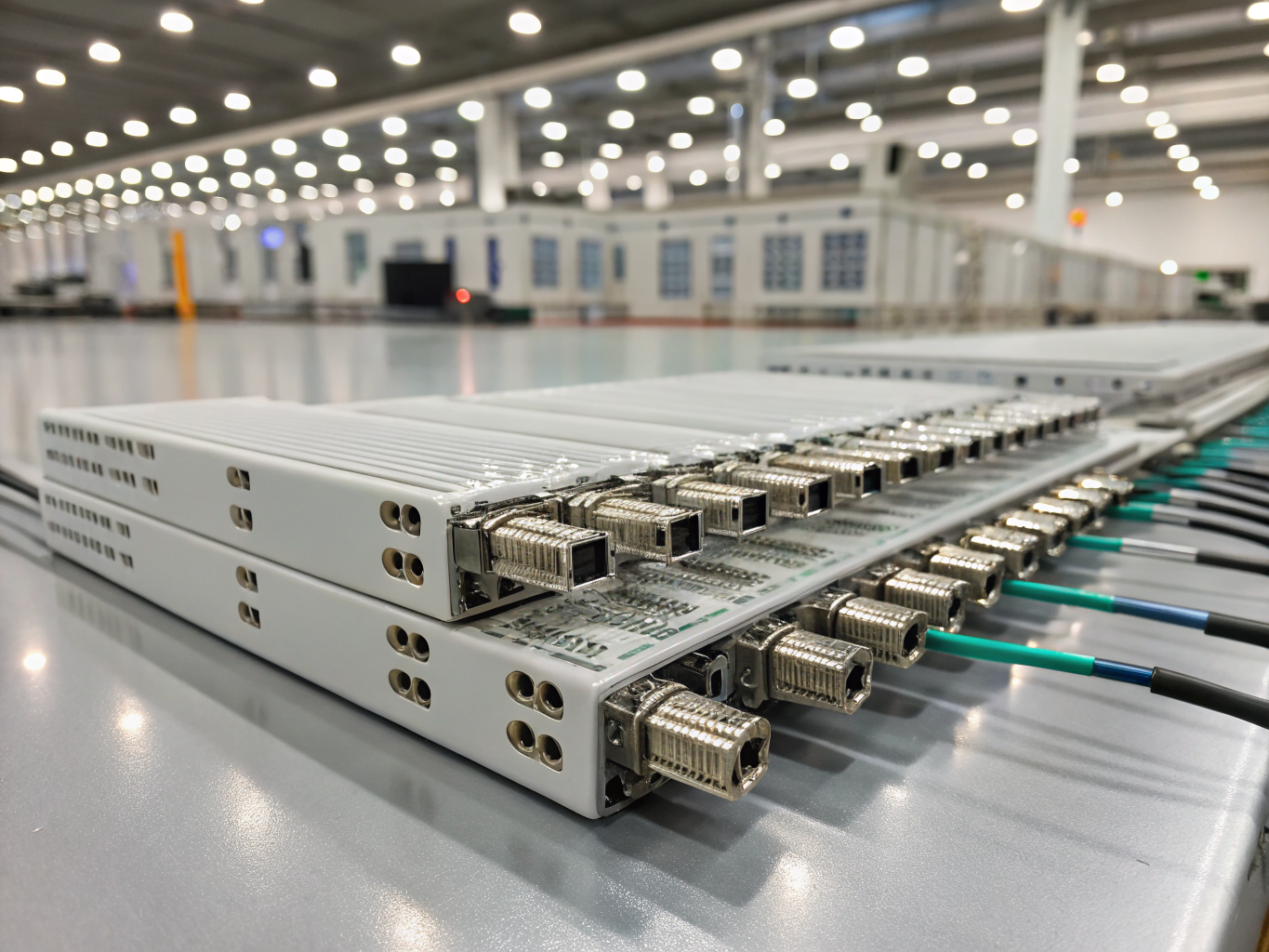
Engineered optical splitting solutions designed for non-standard network designs and custom FTTH topographies. Key Specs: • Split Ratios: Non-standard ratios (1×9, 1×12, 1×17, and asymmetric options) • Engineering: Tailored connectors, custom cable lengths, and packaging • Features: Custom Engineering, Non-Standard Ratios, Specialized Solutions
Note on Options:
Many attributes, such as split ratio, connector type, housing style, and fiber type, appear across multiple subcategories, but their combination depends on the network architecture and installation environment. For example, mini steel tube splitters are favored for compact spaces like splice closures, while cassette types are preferred in data centers for their modularity. FBT splitters offer cost-effective solutions for low split counts or custom ratios, whereas PLC splitters are better for high split counts requiring uniform distribution. Understanding the network design, available space, and future expansion needs is essential for selecting the right splitter configuration, creating the wide variety of splitter products available in the market.
